Common Causes of Concrete Foundation Damage
If you're concerned about foundation damage caused by issues like soil movement or water intrusion, local contractors can assess and repair the damage to protect your home.
Understanding the common causes of concrete foundation damage is essential for property owners looking to protect their investments and ensure the stability of their buildings. Factors such as soil movement, poor drainage, and fluctuations in moisture levels can all contribute to cracks, settling, or other structural issues over time. Recognizing these causes early can help homeowners and property managers take proactive steps to prevent costly repairs or extensive damage, making it a practical concern for those maintaining homes or commercial properties in the area.
Local contractors experienced in foundation repair are equipped to address issues stemming from these common causes. Whether it involves stabilizing shifting soil, improving drainage systems, or repairing cracks caused by moisture changes, these service providers offer solutions tailored to the specific needs of the property. Exploring the causes of foundation damage and understanding how local experts can help provides a valuable resource for anyone seeking to maintain the integrity of their property and avoid future problems.
- When soil expansion or contraction causes cracks or shifting, local contractors can assess and stabilize the foundation to prevent further damage. - Signs of water intrusion or persistent dampness may indicate hydrostatic pressure issues, with service providers offering waterproofing and foundation reinforcement solutions. - During uneven settling or sinking of a foundation, local pros can evaluate the cause and perform underpinning or slab jacking to restore stability. - Evidence of tree root intrusion near the foundation can lead to cracking or upheaval, prompting specialists to remove roots and repair affected areas. - When poor drainage or improper grading leads to water pooling around the foundation, service providers can implement drainage corrections to mitigate future damage.
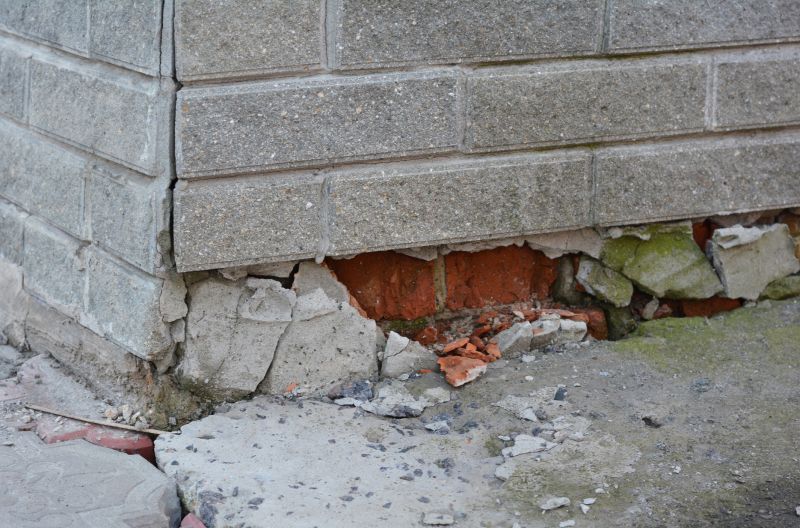
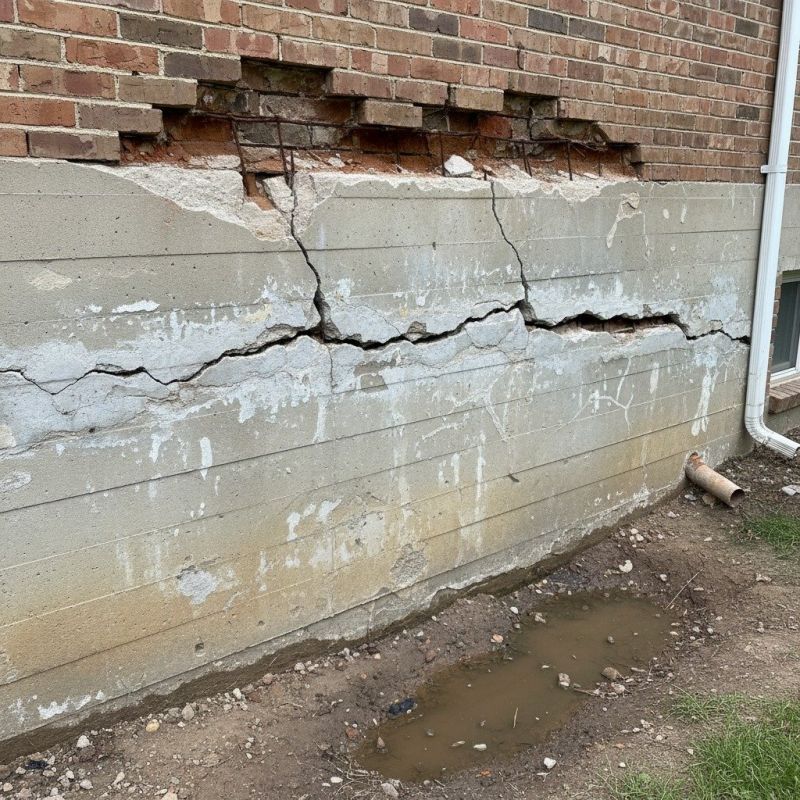
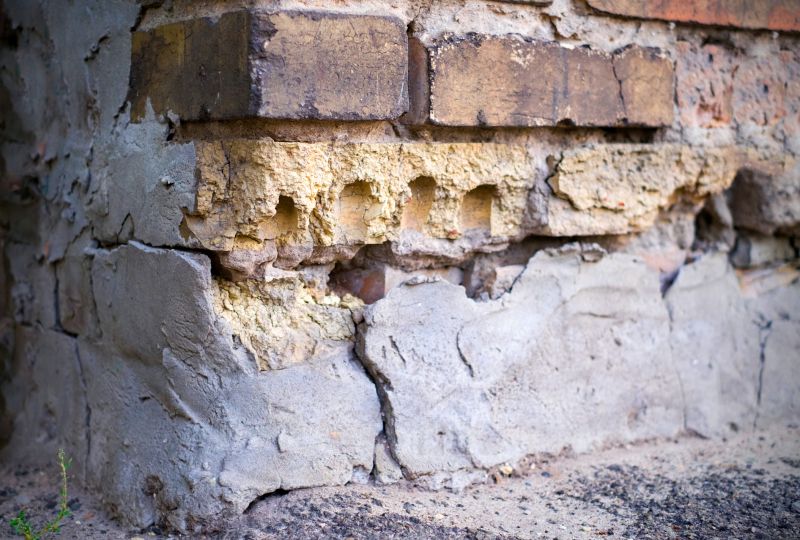
Understanding the common causes of concrete foundation damage is essential for homeowners who want to protect their property and avoid costly repairs. When people search for this topic, they are often concerned about the underlying issues that can compromise the stability and safety of their homes. These causes typically relate to factors such as soil conditions, water management, and structural stress. Recognizing these root problems can help homeowners identify early warning signs and plan appropriate solutions with the help of local contractors experienced in foundation repair.
The problems associated with foundation damage often involve cracks, uneven floors, or sticking doors and windows, which can signal deeper issues beneath the surface. Many property owners are interested in understanding how their landscape, drainage systems, or construction history might contribute to foundation stress. These concerns are especially relevant for homes built on expansive clay soils, areas with significant rainfall, or properties that have experienced recent construction or changes in the surrounding landscape. Knowing these potential causes helps homeowners make informed decisions about repairs and preventative measures.
Properties that typically face foundation damage are usually residential homes, especially older houses or those located in regions with challenging soil conditions. Commercial buildings and multi-unit dwellings can also be affected, particularly if they are built on unstable ground or have experienced water infiltration. These structures often require specialized attention from local service providers who understand the unique challenges posed by different property types. Connecting with experienced foundation repair contractors ensures that the specific causes of damage are accurately diagnosed and addressed with appropriate repair strategies.
Local foundation damage repair service providers play a critical role in helping homeowners and property managers tackle these issues. They can assess the site to identify the primary causes of damage-such as soil shifting, poor drainage, or structural overload-and recommend targeted solutions. Whether it involves soil stabilization, waterproofing, or underpinning, these professionals provide the expertise needed to restore stability and prevent future problems. For property owners, working with experienced local contractors ensures that foundation concerns are handled effectively, safeguarding the long-term integrity of their property.
Foundation Waterproofing Projects - These projects involve applying sealants and drainage solutions to prevent water intrusion, which is a common cause of concrete foundation damage. Local contractors skilled in waterproofing can help protect foundations from moisture-related issues.
Drainage System Installations - Proper drainage systems are essential to divert water away from foundations, reducing the risk of erosion and cracking. Service providers experienced in drainage work can help mitigate water-related foundation problems.
Soil Stabilization Services - Soil stabilization techniques improve ground stability around foundations, addressing issues caused by shifting or expansive soils. Local pros can assist with soil treatment methods to prevent foundation movement.
Concrete Repair and Resurfacing - Repairing cracks and surface deterioration helps restore the integrity of concrete foundations affected by common causes of damage. Skilled contractors can perform repairs that extend the lifespan of a foundation.
Excavation and Site Grading - Proper excavation and grading ensure proper slope and drainage around a foundation, reducing water accumulation and soil pressure issues. Local service providers can handle site preparation to prevent foundation damage.
Structural Reinforcement Projects - Reinforcing weak or cracked foundations with underpinning or pier systems addresses damage caused by soil movement or settlement. Experienced contractors can evaluate and strengthen foundation stability.
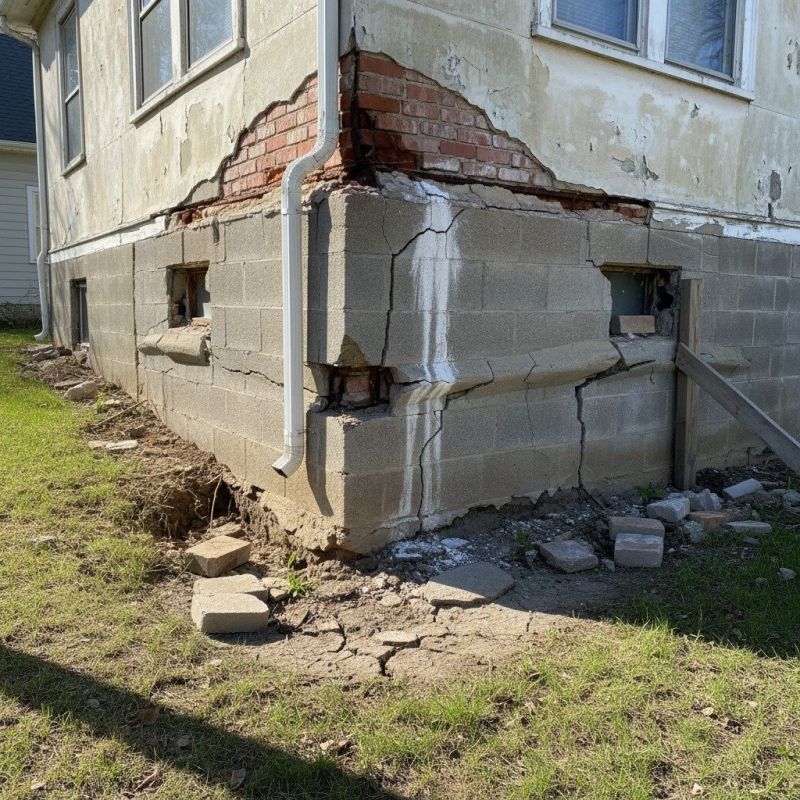
When evaluating service providers for foundation damage repair, it is important to consider their experience with similar projects. Homeowners should inquire about the types of foundation issues they have addressed and whether they have worked on properties with common causes of concrete foundation damage, such as soil movement, poor drainage, or settling. A contractor’s familiarity with these specific issues can provide insight into their ability to diagnose problems accurately and recommend effective repair solutions. Additionally, checking references or reviews from previous clients who faced comparable foundation concerns can help gauge the quality of work and reliability of the local contractor.
Clear written expectations are essential when choosing a foundation repair service. Homeowners should seek detailed proposals that outline the scope of work, methods to be used, and any potential limitations or risks involved. This transparency helps ensure that everyone is on the same page and reduces misunderstandings during the project. Good communication from the service provider throughout the process is equally important, allowing homeowners to ask questions and receive updates. A contractor who clearly explains their approach and listens to homeowner concerns demonstrates professionalism and a commitment to quality work.
Reputable references and a track record of good communication can greatly influence the decision-making process. Local service providers with positive feedback from previous clients often reflect a history of consistent, dependable work. It is also beneficial to choose a contractor who is willing to provide references or case studies related to foundation damage repair. Effective communication, including timely responses and straightforward explanations, helps build trust and ensures that homeowners feel informed and involved throughout the project. These qualities contribute to a smoother repair experience and increase confidence in the chosen service provider’s ability to handle common causes of concrete foundation damage.
Property owners often search for common causes of concrete foundation damage when they are planning practical projects around their homes and businesses. Local pros provide Foundation Damage Repair services for everyday jobs and straightforward project options.
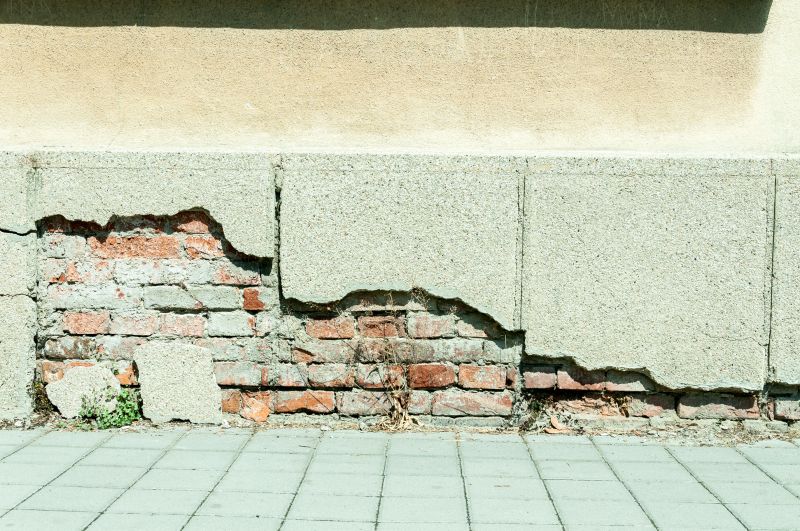
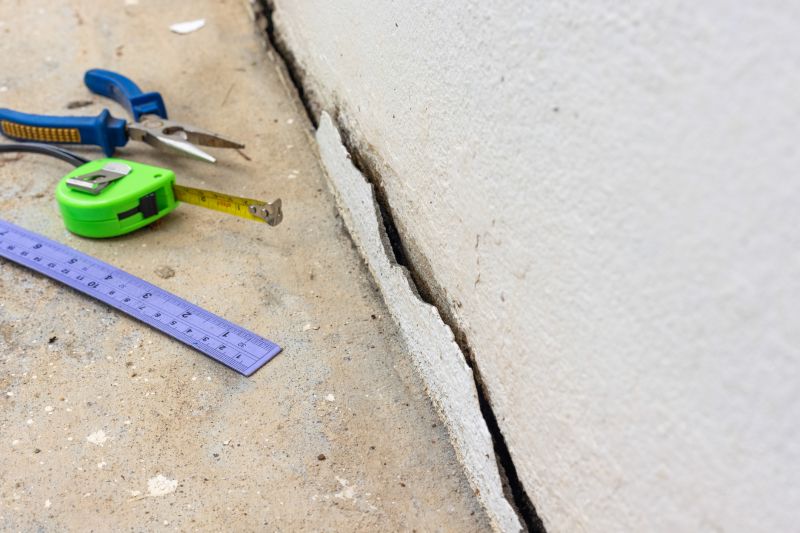
Understanding the common causes of concrete foundation damage can help property owners identify potential issues early on. In many cases, everyday project situations such as poor drainage around the property, soil expansion and contraction due to moisture changes, or improper backfilling after construction can put stress on the foundation. Over time, these factors may lead to cracks, settling, or shifting that compromise the stability of the structure. Homeowners in the area often look up this topic to learn how to prevent damage and to find reliable local contractors who can assess and address foundation concerns before they worsen.
Additionally, seasonal weather patterns and landscaping practices can contribute to foundation problems. Heavy rainfall or drought conditions can cause soil movement beneath the foundation, increasing the risk of damage. Improper grading or inadequate waterproofing can also allow water to seep into vulnerable areas, accelerating deterioration. Property owners seeking foundation damage repair services typically want to connect with experienced local service providers who can diagnose the root causes and recommend appropriate solutions to maintain the integrity of their homes.
What are common causes of concrete foundation damage? Common causes include soil movement, poor drainage, and inadequate construction practices, which can lead to shifting or cracking of the foundation. Local contractors experienced in foundation repair can assess and address these issues effectively.
How does soil movement affect foundation stability? Soil movement, caused by expansion, contraction, or settling, can exert pressure on the foundation, resulting in cracks or uneven settling. Local service providers can identify soil-related problems and recommend appropriate repairs.
Can poor drainage lead to foundation damage? Yes, poor drainage can cause water to accumulate around the foundation, increasing soil moisture and pressure, which may lead to cracking or shifting. Local pros can help improve drainage systems to protect the foundation.
What role does construction quality play in foundation longevity? Inadequate construction practices, such as improper reinforcement or insufficient concrete curing, can weaken the foundation over time. Experienced local contractors can evaluate and repair damage caused by such issues.
Are environmental factors like moisture and temperature changes causes of foundation damage? Fluctuations in moisture levels and temperature can cause soil expansion and contraction, leading to foundation movement. Local foundation repair specialists can diagnose these problems and recommend solutions.
Soil erosion and poor drainage can lead to foundation shifts; property owners can work with local contractors to improve landscaping and grading around their homes. Heavy or prolonged rainfall increases water pressure on foundations, so consulting with local pros for proper waterproofing and drainage solutions is advisable. Tree roots growing near the foundation may cause cracking; property owners can consider root barriers or removal plans with local foundation specialists. Frost heave during cold weather can lift and crack concrete; discussing insulation and frost protection measures with local service providers can help prevent damage.
If you are thinking about common causes of concrete foundation damage for a property, this guide is meant to help you understand this topic, the typical project types, and how different options might fit your plans.
When you are ready, you can use the quote form on this page to share a few details about your project. From there, local pros can review the basics and follow up with options that match what you have in mind.